Field Notes 16 // Half marathons and everyday wonder
This is Field Notes, my monthly newsletter with more personal thoughts and stories. Subscribe below to get it weeks before it goes up on the blog.
I’m taking back control of my life after a period that left me fatigued and anxious. Looking back objectively, there were many reasons why I was tired and so on edge: It’s been an especially intense year at work. I haven’t taken a full week off since last Christmas. I’ve been ill in some way or other for three weeks now. And after my wife’s car accident, I was so busy that I let my “one coffee per day” rule slide and began to consume more caffeine to keep up.
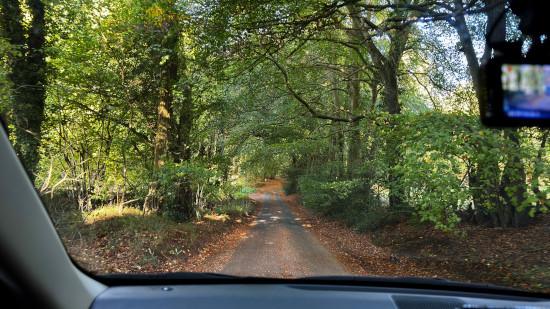
All this coincided with the toughest race I’ve ever run – the Windsor Half Marathon. Set against the backdrop of Windsor Castle and the low-flying planes on approach to Heathrow, its course runs down the Long Walk and through the Royal Estate. It’s very scenic – I ran past picturesque country homes, tranquil ponds, and even a confused deer trying to cross the track.
But most important as a runner was the undulating terrain. The course was an endless barrage of ups and downs, as intense as the biggest inclines on my practice route. Cruelly, some of the worst climbs came late in the second lap, when runners had little left in the tank, and it was those that caught me out. I ran with good consistency for 17 kilometres, but after cresting countless hills I was carrying a painful stitch, and allowed myself a little rest by walking up those last punishing ascents, with a gentle jog down.
I mustered some energy over the final couple of miles and finished with a pace on par with my best, but I was unhappy when I crossed the finish line at two hours – my worst half marathon in years. As my legs ached over the days that followed, I looked back harshly. If I had energy left for that last sprint, surely I could have kept going over the shorter stretches I walked?
It was reflective of my thinking over the period – blinkered, self-critical, my thoughts directed by a combination of stress and bad habits.
Now though, I feel like I’ve turned a corner. I’m wrestling back control and forcing my way out of the malaise. I’m back to a strict single coffee per day, and although that means I’m more tired by mid-afternoon, I know my energy levels will eventually even out. Where I can, I’m taking more opportunities to be social. And perhaps most importantly, I have two weeks of leave coming up – the first time this year I can truly forget about work and clear my mind.
I’m also applying a positive filter to my media consumption. On the day I cut my coffee and joined a colleague for a beer, I listened to David Senra’s discussion with Ben Wilson on the way home. It probably isn’t the case that the universe will simply open up to you if you focus hard enough on one thing you care about, but it was the kind of motivational message I needed to hear in the moment. It was a more positive day, in part because of improved sociability and regulation, but also because I felt a sense of agency again – I had directed my life, rather than being carried along by the world.
Finding wonder in the everyday
As part of my drive for a more positive mindset, I’m trying to cultivate a sense of wonder, both in my immediate surroundings and in our times. I’d always felt its absence subconsciously, but it was brought to my attention listening to Robert Greene speak about the sublime on Modern Wisdom:
“In your childhood experience… everything looked strange and weird and different and unfamiliar… You’re looking at things for the first time, and everything is exciting… Everything was intense, and then… slowly you lose it. And you’re in your twenties, in your thirties, and you’re not really aware of it but you feel something missing in your life, because you once knew this intensity that you have lost.”
As adults, we’re so busy that our brains filter information to focus on what’s essential to our day-to-day survival, Greene said. To some degree this is required to function, but our perception of the world around us and our interactions with others should not be purely functional – we can still notice details, appreciate beauty, and ask questions that fuel wonder and curiosity.
So I set about finding things to be in awe of, which I found often manifested as gratitude for things I’d been taking for granted. Isn’t it nice to have my own space at home? Aren’t I lucky to work in such a tall, modern office building? Didn’t that first sip of coffee in the morning go down smoothly? The positive outweighs the negative, it’s just less visible until you look for it.
The positive outweighs the negative, it's just less visible until you look for it.
Then there’s the wider world. This is often a tricky domain, given that news stories and social media posts usually seek out the negative. I find it’s better to seek out raw, first-hand data over opinions, and to consider current events as though you were reading about distant history. How would your reaction to the information differ if you knew everything would work out in the end?
There’s also a lot of awe-inspiring news out there. In the space of a couple of days, I read about how the AI data centre buildout is one of the biggest US infrastructure projects in history, second perhaps only to the railroads; and I watched a Tesla Roadster drive slowly up a ramp until it was upside down, then launch, flip, and land safely with the help of RCS-like thrusters.
Pessimists will have you believe it’s all downhill from here, but if you apply an optimistic lens and focus on the progress and opportunity that exists, it’s a remarkable time to be alive. It’s just easier to recognise when you train your brain not to overlook the good, but to revel in it and experience that wonder.
This month on the blog
In case you missed them, here are my best posts from October.

Things that left an impression
-
Andrew Sharp’s column about the roofed Washington Commanders stadium considers how modern capitalism pushes everything towards the mean, making the world more uniform and less interesting.
-
In his latest appearance on Modern Wisdom, author Robert Greene described the concept of the sublime and childlike fascination with the world – a sort of everyday awe that we lose as we age.
-
I’m a Chelsea supporter, but nodded along to this piece by Arsenal fan Dave Gray about how football’s fixation with money over culture is making it easy for lifelong fans to fall out of love with the game.
Until next month, when I’ll be reporting back from Japan!