


Field Notes 11 // Trailblazers, Totoro, and dolls' houses
This is Field Notes, my monthly newsletter on technology without the hype. Subscribers get it weeks before it goes up on the blog. Subscribe below.
As well as this month’s post about people who really care about their work – an essay that serves almost as a thesis for the rest of my blog – I’ve been thinking about what draws us to people who are doing brand new things.
The thought occurred to me while I was watching the Canadian Grand Prix and listening to David Croft commentate. Don’t get me wrong – Crofty’s commentary is fine – but Formula 1 commentary has been done before, and when you’re doing something that’s been done before, you’re subject to all sorts of conventions and assumptions about how it should be done.
In the case of sports commentators, there’s a whole discipline that has been carved out. There are written and unwritten rules dictating the notes you should prepare, the tone to take, when to sound excited, when to tone it down, and how to handle the sensitive situations that inevitably arise when you’re talking about men driving cars at up to 250mph for hours on end.
In Formula 1, many of these conventions stem from imitation – conscious or otherwise – of the late Murray Walker, who covered his first Grand Prix in 1949 and went full-time from 1978 to 2001, becoming the de facto voice of the sport. Walker’s unmistakable words will forever be associated with many of Formula 1’s most iconic moments. They’re impossible to decouple.
There's plenty left to discover in the modern world if you know where to look, and caring deeply about the things you do is the first step.
Walker defined what it means to be a motorsport commentator, following instinct and carving out a style that still influences modern broadcasting around the world. That’s what really inspires people and makes somebody memorable – when they follow their instinct and blaze a trail to create something completely new, with a strong personality on top.
It can feel like there’s not much left to discover in the modern world, but in reality, there’s plenty – if you know where to look. This of course includes the technical prodigies at the forefront of AI, autonomous vehicles, and space travel. But it also includes those who carve out brand new niches for themselves, dedicate time to their crafts, and produce work that reflects a unique vision, even if it never captures a mass market or makes millions.
Caring about the things you do is the first step. It naturally buys you a lottery ticket with a chance of uncovering something novel and memorable. Even if it feels as though your work isn’t destined to be unique or popular or ground-breaking, give it your all, explore every dusty corner of your field, polish every little detail of your end product, and you may well surprise yourself.
My Neighbour Totoro at the Gillian Lynne Theatre
“They’ve missed out the U,” I pointed out to my wife as we took our seats at the Gillian Lynne Theatre. While the listings and programme used the British spelling “neighbour”, the title card on the stage used the American name: My Neighbor Totoro. We turned to each other laughing when, within moments of the show opening, a U appeared and pushed its way in. It was a sign of what was to come – an adaptation that subverted our assumptions around what to expect from a theatre show in the cutest and most whimsical ways.
My Neighbour Totoro is a technical feat. The country house where much of the action takes place comes in pieces that whirl across the stage between scenes to form different configurations. The puppets that portray Totoro himself – I counted at least three or four – are magnificent, and mimic the movements and expressions of the anime better than I thought possible (Mei’s actress, too, captured her character far more closely than I’d expect from an adult playing a cartoon girl). More than once, I needed to remind myself that I was in a theatre and wasn’t watching the original film.
And it’s all delivered with a charm unlike anything I’ve ever seen on stage. The band overlooks the stage, sitting on balconies in the rear. Stage hands introduce themselves with a bow before pulling veils over their faces, as though agreeing to a pact with the audience that they should be overlooked from that point. And the production retains a lot of Japanese character, with basic phrases and song verses delivered in the story’s original language.
The play immersed me in its world more than anything else I’ve seen in the West End. It had wonder. It had laughter. It had a far sadder second half than I remembered, having watched the animation six years ago at the start of the pandemic. I’ll limit the detail to avoid spoiling anything, but if you have a chance to see My Neighbour Totoro before it closes in January, you must.
Windsor Castle and Queen Mary’s Dolls’ House
One perk of my wife’s family visiting from Japan is that I could visit some of the local tourist traps with the reasonable excuse that I was there as a guide. One day we drove to Windsor, primarily to tour the castle and its grounds.
The State Apartments – the rooms that serve as the backdrop for official visits, banquets, and so on – are the main attraction. I found them in equal parts impressive and claustrophobic as we shuffled through with the crowds. They reminded me somewhat of the Wallace Collection in Marylebone, with the added benefit of some quite famous rooms recognisable from TV.
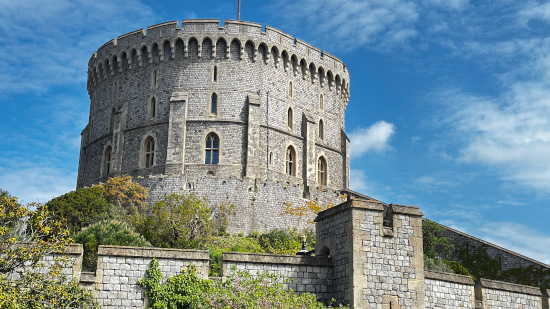
But what caught my eye the most was Queen Mary’s Dolls’ House – an insanely detailed miniaturisation of a wealthy London household that was completed in 1924. It was displayed at the Empire Exhibition in Wembley in the same year to showcase the high quality of British workmanship.
More than 1,500 craftspeople, artists, writers, and donors contributed to the house’s construction. It featured working electricity, water (now disabled for preservation reasons), and lifts. Each individual object is crafted to intricate detail – the books contain words handwritten by their authors, and the tiny bottles in the cellar actually contain real wine and champagne.
While viewing time was limited – after queueing to see the dolls’ house, you inch around its glass enclosure one behind the other with little time or room to inspect the smaller details – the overall impression was astonishing. The video guide included segments from the staff who maintain the house and its furnishings, and it was incredible how much craft was involved in putting everything together. In 2026, it felt like a window into a lost art.
This month on the blog
In case you missed them, here are my best posts from May.
Things that left an impression
-
I was trawling the Craig Mod archives while researching my essay on craft and care and stumbled upon an old article titled Kickstartup. Published in 2010, it tells the story of the publication of Mod’s book Art Space Tokyo, with its sections alternating between the economics of Kickstarter funding and the craft of publishing.
-
I’m a sucker for blog posts that reverse engineer the systems that power simulation games, and the best I’ve seen this month was James Monger’s breakdown of the hidden “stock market” that dictates thousands of individual Cim activities.
-
My wife wanted to see The Devil Wears Prada 2 last week. The film was mostly what I expected, but one surprise was how much it leant into the “management consultants and AI versus artistry and craft” angle. When such a mainstream film is broaching the topic, you know the public mood is very much against AI slop and over-optimisation.
Until next month – subscribe below to the next newsletter first!

