The UK government is quietly eroding online anonymity
It feels like every day in the UK, the internet – and given its centrality to modern business and social communication, life – becomes a little less free.
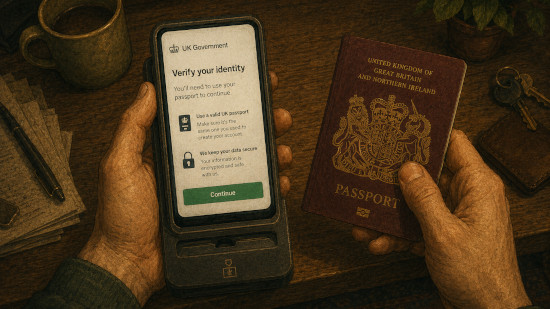
The UK government famously introduced the Online Safety Act in 2023, forcing websites hosting user-generated content that could be “harmful” to children to perform age verification checks before allowing access. Faced with a check, users must upload a passport, credit card data, or a selfie.
Now the government is going after your hardware. It announced this week that manufacturers have three months to build technology to block access to sexually explicit images for under 18s, under threat of legislation if they do not comply. In practice, this will likely mean similar age verification checks built into the operating systems of smartphones and other devices.
The privacy problem
These sound like reasonable measures to protect children, but that framing obscures the actual proposals and their consequences. Under government instruction, technology companies are gaining increasing power to review private content on your personal device, without any grounds for suspicion.
Privacy campaigners are pessimistic about the direction of travel. Signal published a statement calling the new measures “dystopian” and branding them “invisible surveillance infrastructure… rushed into law under cynical pretexts”. The civil liberties group Big Brother Watch called them “extreme technological censorship” and called for greater scrutiny of the plans.
Beyond the unwelcome oversight of our private lives, it’s especially alarming that the government’s plans could force adults to submit identification to access the internet. This has security implications – after the Online Safety Act came in, the companies performing age checks were quickly targeted by threat actors – but it also removes online anonymity at a time when the UK police are making as many as 30 arrests per day for online speech.
Risk versus reward
I was fortunate enough that many of my accounts were old enough to bypass these checks, but there are still some without full functionality. I cannot chat with friends on Xbox Live or PlayStation Network, for example, because I refuse to upload my passport to access a gaming service. The trade-off between the service I would receive and the risk of unnecessarily uploading such a sensitive document just doesn’t stack up, in my opinion.
While political discourse is an obvious concern, tying a real-life identity to online activity also restricts much of what made the internet great. Some of the most interesting content online has come from anonymous users on forums and blogs. I’m talking about accounts like The Secret Barrister, the NHS staff who have documented realities inside the healthcare system, and any number of blogs about corporate life, dating, and personal finance.
These people share raw and honest personal insights, unfiltered by concerns about social repercussions. If they are forced to upload their passports before accessing their accounts, that content could dry up completely, or at least become self-censored to the point that it doesn’t provide anything of value.
The direction of travel
The plans fly in the face of the concept of privacy, and it’s only going to get worse – end-to-end encryption, VPNs, and other privacy-focused tools will come into the crosshairs as the government tries to tackle workarounds that allow users to access services from remote locations outside of the UK.
On my London commute, it’s now not unusual to see VPN adverts comparing the UK to countries that ban or restrict their use – a cheery list that includes such bastions of freedom as Russia, China, and North Korea. Unfortunately, that’s the kind of company we could join if we continue down this path.
It will be interesting to see whether Apple and Google remain true to their stated privacy goals and take a stand, but I have little optimism that the government will slow down any time soon. Both major UK parties have a track record of ignoring informed opinions opposing surveillance.
The harms the government is trying to prevent are real, but it’s hard to take its initiatives at face value when they so often impede online freedoms. The UK – historically protective of free speech – is sliding towards ID checks and surveillance usually reserved for authoritarian nations, and there is little sign that Westminster is listening to the experts calling out the risks.